~hahhaha...the tittle above tu,mmg kire aku da blur r tu tok find a very good name that suits with what i am going to show here..hehe..td aku sempat snap gmbr2 just sekadar tok hiburan jek..hehehe..well,using my T715 sony ericson je pom..huhu...dun have that expensive camera lor..well,im planning to buy 1 when i have money..hahha..
i. location:in front of my house...(trying to show that i can touch the roof of my house..coolll..isn't it?:)
ii: two pics with diff level..the 1st one : 2m from the ground..the 2nd pic:landing time..
(x(x_(X_x(O_o)x_x)_X)x)
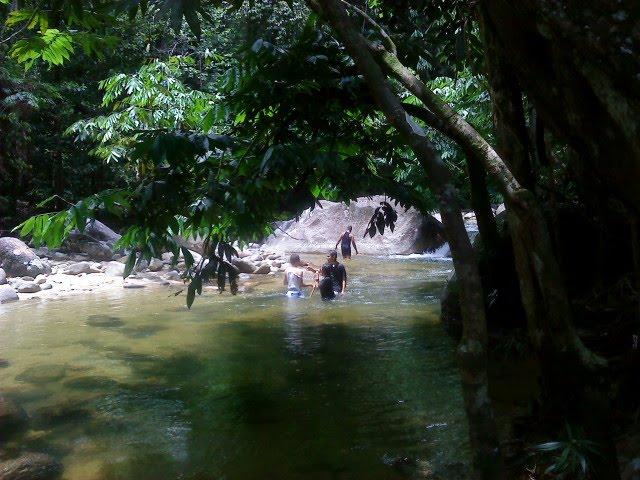
i & ii:location: kalumpang..the water nmpk so sejuk kan..dpt detect x sape makhluk2 tuh?hhe
i: location :DBKL..this time,i went to dbkl to watched theatre show(RUMAH LAMA KAMPUNG BARU)
*ni adalah lakonan semata2..tong sampah tidak terjejas pom ked die..
ii..location:dbkl also..me with anuar,theatre student's also..
*waiting for the bus...from the left:wan,dayah,e-la n bob...
*showcase tok jual tiket theater komedi mahkamah keadilan...
*OOOOOMMMMMMGGGGG!!!already 7.35pm??i have promise with agnes..argh!!!i will upload more pic some times again later..tatatatata
2010-05-03
merdekaa!!!(~▽)~
~yahuuuuuu!!!aku rasa cm nak menjerit puas2..hahaa..no more paper..td adalah my last paper for this sem..but i dunt want talk about my performanced just now..useless..hehe..i know my ability..but i still hope for 'B +' at least..hhehe...waaaaa,abis je exam,me,zara,dayah n wan p lepak kat restoran sahabat..well,where else can we go kalo berada kat area tg malim nih..hehehe..well,we have few good plans for tonight..first,karaoke( good plan ker?) kat area behrang or idol jek..then,p lepak kat western restaurant iaitu tempat ila bekerja..then,mundar mandir ke sane cni r..well,zara is going back to sarawak da tomorow..so,that means,we will only see each other again 2 months later r which is in july..2 months tu..well,at least we still can have good times together again next sem..the other next sem,we will leave UPSI da for our praktikum..what will happen to us arghh???huhu..
~daaaa!!!!huhu...even exam da abis,i still can't go back to my hometown yet...well,if i still stick to my first plan,tomorow night, i will leave this place for my lovely place ''kelantan''..hehe..but then,i decided to become a liosin officer during kayak championship in this 10-17 of may in putrajaya..what will i do during that days??ermmmm... i will become a translator maybe..this championship is international level,so,there will also candidates from other countries such as philipines,thailand and etc(can't remember..hehe:))so,may job is (as been told by lily~but she's also not sure),to be with them(international ''kayaker''..hehe) and make everything easier for them cos according to lily,all the international kayakers can speak english but they dont understand malay language...so,whenever they want to communicate or do sth,we will help them...of course this is not for free..we will be pay RM30 a day (rm30 a day..if 8days???)..well,actually,thats the main reason i want to join this..hhee..besides that, i also want to test my communication skills..well,i have to start doing sth from now on because only 1 more sem to go before praktikum( the most challenging semester as an upsi's student)..during praktikum, i will bring along two big names...UPSI and TESL...what a big responsibility..but,this is my future..i dont want to ''makan gaji buta''..i will become a teacher(mayb about 2 or 1 year n half later),but not only a teacher as in name only,but a real teacher..i want to share my knowledge with my students (what knowledge that i have for now??wink wink)....waaaaaaaa...bla bla bla and bla bla bla..that's y i think i should join this programme..
~apa ag erk nak tulis??ermm...stop r jap!!! \m/^.^\m/
~daaaa!!!!huhu...even exam da abis,i still can't go back to my hometown yet...well,if i still stick to my first plan,tomorow night, i will leave this place for my lovely place ''kelantan''..hehe..but then,i decided to become a liosin officer during kayak championship in this 10-17 of may in putrajaya..what will i do during that days??ermmmm... i will become a translator maybe..this championship is international level,so,there will also candidates from other countries such as philipines,thailand and etc(can't remember..hehe:))so,may job is (as been told by lily~but she's also not sure),to be with them(international ''kayaker''..hehe) and make everything easier for them cos according to lily,all the international kayakers can speak english but they dont understand malay language...so,whenever they want to communicate or do sth,we will help them...of course this is not for free..we will be pay RM30 a day (rm30 a day..if 8days???)..well,actually,thats the main reason i want to join this..hhee..besides that, i also want to test my communication skills..well,i have to start doing sth from now on because only 1 more sem to go before praktikum( the most challenging semester as an upsi's student)..during praktikum, i will bring along two big names...UPSI and TESL...what a big responsibility..but,this is my future..i dont want to ''makan gaji buta''..i will become a teacher(mayb about 2 or 1 year n half later),but not only a teacher as in name only,but a real teacher..i want to share my knowledge with my students (what knowledge that i have for now??wink wink)....waaaaaaaa...bla bla bla and bla bla bla..that's y i think i should join this programme..
~apa ag erk nak tulis??ermm...stop r jap!!! \m/^.^\m/
2010-05-01
teater bangsawan syakuntala
~hellooo...cam lame da xjengah my blog ni.hehe..well,ape yg aku nak cerita erk?ermm..ni,smlm aku p tgk teater bangsawan syakuntala kat aswara..persembahan dr pelajar tahun 2 ASWARA..ermmm..overall,ok r..but there r few things yg for me yg nmpk kurang..for example,yg plng jelas adalah suara pelakon2..from the beginning tu,aku mmg da xdpt dgr jeles suara beberapa org pelakon..sedikit kecewa r.bukan ape,kalao nk kire,seat aku dgn pelakon adlh teramat lah dekat..di ET tuh,stage adalah berbentuk ''thrust stage' iaitu kedudukan penonton adalah pada 3 penjuru pentas..depan,kanan n kiri..and the distance between audience and actor mmg dekat..and last night,my seat adalah pd bahagian kiri,paling hujung iaitu plng hampir dengan pelakon..it was so dissapointed for me because sometimes,i cannot hear what they are saying...but not all lor,ade jugak yg aku dpt dgr...that was the biggest mistakes for me..tp,smlm adalah malam yg pertama,and mlm ni n esok,mayb ok kot...hehe..cume,aku suke dgn watak raja tu smlm yg di bawak oleh saudara fendi..sesuai aku rasa..hehe...aaaaa..i more things yg aku nak komen adalah watak ayah kepada syakuntala tuh..sorry to say,mmg aku rasa dia xsesuai untuk bawak watak tu...well,kalau ingt balik one of the method yg diperkenalkan oleh stanislavski iaitu ''physical apparatus'',dalam membawakan sesuatu watak itu, penggunaan tubuh adalah amat penting..penggunaan tubuh ataupun physical condition,perlulah sesuai dengan wataknya..sbb,bukan hanya suara sahaja yg pntg and dpt membuatkan lakonanseseorang itu menjadi,malahan olahan tubuh badan jugak perlu..kerana apa??kerana,contohnya,apabila kita diberikan sesuatu watak,kita perlulah mengkaji watak itu dari segi watak dan perwatakannya..dan kemudian,kita perlu menjadikan diri kita seperti watak itu juga tidak kiralah samaada the way he/she speaks ataupun berjalan..kita perlulah merasakan watak itu dengan kita punya fizikal dulu..kita perlu berjalan seperti mana watak itu,kita jugak perlu mengetahui cara2 ketawa,cara bercakap,dan mcm2 la lagi...dan apabila kita sudah betul2 dapat merasainya,barulah secara automatik,kita dapat membawakan sesuatu watak itu dengan betul..pada pendapat saya,watak ayah smlm tu,tidak berapa berkesan..feel sbgi seorang ayah itu,tidak dapat dirasai...smlm,saya mersakan yg berkata2 itu adalah seorang anak muda...
~ermm...apa maksud bangsawan sbnrnye erk?ok..smlm ,ade seorang kawan aku bertanya,apa maksud bangsawan nih?hehe..pastu aku bgtau la mengikut apa yang aku faham and pengalaman aku menonton teater bangsawan nih..bangsawan ni kalau aku tahu adalah golongan2 atasan dan jugak gol yg mulia...perbezaan teater bangsawan dengan teater lain adalah kostum,penggunaan tirai,dn bnyk ag la..ok..itu yg aku faham..ni plak maklumat yg aku cari dekat internet tntng asl usul bangsawan...semua info nih aku terjumpa kebetulan melihat2 show teater yg akan datang di laman kaki seni..jom!!check it out..
Salah seorang tokoh teater negara, Mustafa Yassin pernah memberi satu definisi ringkas untuk bangsawan iaitu bangsa bermaksud orang sementara wan bermakna budiman iaitu orang budiman. Di Malaysia ia juga secara mudah dilihat sebagai sejenis opera. Stambul dan sandiwara hanya muncul kemudian.
Sejarah bangsawan bermula di Asia Tenggara dengan ketibaan Wayang Parsi atau Mendu di Pulau Pinang sekitar tahun 1870. Rombongan pelakon lelaki dari Bombay bertawaf seluruh negara mempersembahkan kisah-kisah klasik dari Timur Tengah, Parsi dan India dengan bahasa pengantar ialah Hindi disulami lagu-lagu Hindustani. Sekelip mata ia disambut sebagai satu fenomena dengan undangan di majlis perkahwinan, pesta dan majlis diraja. Dalam tahun-tahun 1900, bangsawan lebih banyak bertumpu di Singapura memandangkan kebanyakan rombongan bangsawan yang akan menyeberang ke Indonesia singgah beberapa lama di pulau tersebut. Pushi Indera Bangsawan dikatakan kumpulan bangsawan pertama di Malaysia. Kemudian kita mendengar nama-nama lain seperti Seri Penglipur Lara yang aktif mementas bangsawan di Happy World, New World dan panggung Alhambra di Singapura. Kedatangan Jepun menjadikan kumpulan bangsawan dipaksa mempersembahkan kisah-kisah dengan elemen propaganda Jepun dan ini terlihat pada persembahan kumpulan Mina Bakar dan kumpulan Din-Tijah. Selepas itu bangsawan terus popular dengan persembahan antara lain ialah Raja Laksamana Bentan dan Jula Juli Bintang Tiga.
Bangsawan pernah disifatkan sebagai commedia dellárte timur dengan mempertahankan sifat-sifat teater tradisional rantau Timur.
~haaaa,tulah dia..hehe..bnyk detail die...ni aku nak sertakan beberapa keping gmbr dr show ''teater bangsawan syakuntala'' smlm..
(ni dgn raja dusyanta yg dilakonkan oleh saudara fandi..gmbr xberapa nak clear...gemoknye aku time nih..)
~ermm...apa maksud bangsawan sbnrnye erk?ok..smlm ,ade seorang kawan aku bertanya,apa maksud bangsawan nih?hehe..pastu aku bgtau la mengikut apa yang aku faham and pengalaman aku menonton teater bangsawan nih..bangsawan ni kalau aku tahu adalah golongan2 atasan dan jugak gol yg mulia...perbezaan teater bangsawan dengan teater lain adalah kostum,penggunaan tirai,dn bnyk ag la..ok..itu yg aku faham..ni plak maklumat yg aku cari dekat internet tntng asl usul bangsawan...semua info nih aku terjumpa kebetulan melihat2 show teater yg akan datang di laman kaki seni..jom!!check it out..
Salah seorang tokoh teater negara, Mustafa Yassin pernah memberi satu definisi ringkas untuk bangsawan iaitu bangsa bermaksud orang sementara wan bermakna budiman iaitu orang budiman. Di Malaysia ia juga secara mudah dilihat sebagai sejenis opera. Stambul dan sandiwara hanya muncul kemudian.
Sejarah bangsawan bermula di Asia Tenggara dengan ketibaan Wayang Parsi atau Mendu di Pulau Pinang sekitar tahun 1870. Rombongan pelakon lelaki dari Bombay bertawaf seluruh negara mempersembahkan kisah-kisah klasik dari Timur Tengah, Parsi dan India dengan bahasa pengantar ialah Hindi disulami lagu-lagu Hindustani. Sekelip mata ia disambut sebagai satu fenomena dengan undangan di majlis perkahwinan, pesta dan majlis diraja. Dalam tahun-tahun 1900, bangsawan lebih banyak bertumpu di Singapura memandangkan kebanyakan rombongan bangsawan yang akan menyeberang ke Indonesia singgah beberapa lama di pulau tersebut. Pushi Indera Bangsawan dikatakan kumpulan bangsawan pertama di Malaysia. Kemudian kita mendengar nama-nama lain seperti Seri Penglipur Lara yang aktif mementas bangsawan di Happy World, New World dan panggung Alhambra di Singapura. Kedatangan Jepun menjadikan kumpulan bangsawan dipaksa mempersembahkan kisah-kisah dengan elemen propaganda Jepun dan ini terlihat pada persembahan kumpulan Mina Bakar dan kumpulan Din-Tijah. Selepas itu bangsawan terus popular dengan persembahan antara lain ialah Raja Laksamana Bentan dan Jula Juli Bintang Tiga.
Bangsawan pernah disifatkan sebagai commedia dellárte timur dengan mempertahankan sifat-sifat teater tradisional rantau Timur.
~haaaa,tulah dia..hehe..bnyk detail die...ni aku nak sertakan beberapa keping gmbr dr show ''teater bangsawan syakuntala'' smlm..
(ni dgn raja dusyanta yg dilakonkan oleh saudara fandi..gmbr xberapa nak clear...gemoknye aku time nih..)
2010-04-27
~aku br lepas exam language test td..ermm,ok r ..soalan die xde r susah mane..malahan,boleh dikategorikan sbgi senang..tp disebabkan senang tu r yg aku xexpect lngsng..mase bace2 smlm,aku jus tinggalkan bab2 yg bg aku senang je tuh..ermmm..whtever..i really dun have mood to talk about the paper for now..aku sedih skunk ni..sedih dgn perkhabara yg baru diberitahu oleh mak aku sebentar td..well,i miss my mum a lot.so i called her just now..i called her just to know whether she's ok or not..tp berita lain yg aku dpt..bullshit bullshit bullshitttttttttttttttttttttttttttttttttt...rase nak jerit kuat jek..raa nak menyumpah jek...mmg gelong, ***&&&**,***&&& la mamat tuh..
~i hate him..hate him..aku paling benci kalau ada orang membuatkan mak aku susah hati..benci ssngt..mak aku dah banyak menderita,dah banyak merana selama ni,dah banyak bersusah payah selama ni..di usia yang macam sekarang ni,cukuplah penderitaan dan kesusahan yang diberi..cukuplah..berikanlah kebahagian buat mak aku..bairlah dia bahagia..bahagia yang aku maksudkan bukanlah dengan wang ringgit,tetapi dengan kasih sayang...dengan perhatian daripada anak anak..biarlah mak aku sekarang bersenang lenang...biarkanlah mak aku sekarang hanya mengisi masanya dengan beribadah kepada ALLAH swt..tp KENAPA MANUSIA ITU TIDAK PERNAH MEMIKIRKAN SEMUA ITU?KENAPA???KENAPA?????????????????????
.~YA ALLAH,KAU bantulah kami..ringankan lah beban yang ibu aku galas YA ALLAH..KAU ampunilah segala dosa silamnya YA ALLAH...sesungguhnya,KAU berikanlan kebahagian dan ketenangan kepada ibuku YA ALLAH..
~sesungguhnya,aku tidak akan memaafkannya jikalau sesuatu berlaku kepada ibuku..itulah yang selalu bermain di mindaku..cukuplah selama ini dia mempergunakan makku..kesenangan yang diberi,tetapi dibalas dengan noda yang sengaja dicalitkan ke muka sendiri dan family...sememangnya dia adalah antara orang yang rugi..YA ALLAH,ampunkan aku..bukan aku berniat untuk mengadili seseorang manusia itu YA ALLAH...tidak sama sekali..tetapi aku tidak sanggup melihat ibuku bersedih di atas perbuatannya YA ALLAH...
~perlukah aku menangis?perlulah aku bersedih di atas perbuatan dia yang sememangnya sia sia an tidak mendatangkan walau sedikit keuntungan kepada dirinya?
~apabila berlakunya sebegini,aku semakin tidak sabar untuk memulakan kerja dan membawa ibuku bersama merantau ke negeri orang..semuanya adalah untuk melapangkan jiwa ibuku..tapi,jika aku membawa bersama ibuku,bagaimana pula dengan papaku?aisshh!!!
~cuma sekarang aku berharap,agar penderitaan ibuku ini akan segera berakhir...kerana apa,kerana aku terlalu menyangi ibuku dan tidak sanggup melihat dirnya bersedih dan berduka sedangkan orang lain boleh ketawa dan tersenyum gembira dengan ehsan anak2 mereka sendiri..tp itu mereka..kenapa ibuku tidak boleh menjadi sedemikian?tidak boleh berasa gembira seperti masyarakat lain?YA ALLAH..AMPUNKAN AKU..SESUNGGUHNYA AKU TIDAK BERNIAT UNTUK MERAGUI ATAU MENIDAKKAN TAKDIR YANG TELAH KAU TENTUKAN TERHADAP KAMI YA ALLAH....SESUNGGUHNYA.KAU BERKANLAH KEKUATAN KEPADA KAMI TERUTAMANYA IBUKU DALAM MENGHARUNGI SEGALA LIKU DAN DUGAAN HIDUP YA ALLAH ANDAI KATA SEBAGAI BALASANNAY IBUKU BOLEH TERSENYUM LEGA DAN BERGEMBIRA DI AKHIRAT KELAK.AMIN~
~i hate him..hate him..aku paling benci kalau ada orang membuatkan mak aku susah hati..benci ssngt..mak aku dah banyak menderita,dah banyak merana selama ni,dah banyak bersusah payah selama ni..di usia yang macam sekarang ni,cukuplah penderitaan dan kesusahan yang diberi..cukuplah..berikanlah kebahagian buat mak aku..bairlah dia bahagia..bahagia yang aku maksudkan bukanlah dengan wang ringgit,tetapi dengan kasih sayang...dengan perhatian daripada anak anak..biarlah mak aku sekarang bersenang lenang...biarkanlah mak aku sekarang hanya mengisi masanya dengan beribadah kepada ALLAH swt..tp KENAPA MANUSIA ITU TIDAK PERNAH MEMIKIRKAN SEMUA ITU?KENAPA???KENAPA?????????????????????
.~YA ALLAH,KAU bantulah kami..ringankan lah beban yang ibu aku galas YA ALLAH..KAU ampunilah segala dosa silamnya YA ALLAH...sesungguhnya,KAU berikanlan kebahagian dan ketenangan kepada ibuku YA ALLAH..
~sesungguhnya,aku tidak akan memaafkannya jikalau sesuatu berlaku kepada ibuku..itulah yang selalu bermain di mindaku..cukuplah selama ini dia mempergunakan makku..kesenangan yang diberi,tetapi dibalas dengan noda yang sengaja dicalitkan ke muka sendiri dan family...sememangnya dia adalah antara orang yang rugi..YA ALLAH,ampunkan aku..bukan aku berniat untuk mengadili seseorang manusia itu YA ALLAH...tidak sama sekali..tetapi aku tidak sanggup melihat ibuku bersedih di atas perbuatannya YA ALLAH...
~perlukah aku menangis?perlulah aku bersedih di atas perbuatan dia yang sememangnya sia sia an tidak mendatangkan walau sedikit keuntungan kepada dirinya?
~apabila berlakunya sebegini,aku semakin tidak sabar untuk memulakan kerja dan membawa ibuku bersama merantau ke negeri orang..semuanya adalah untuk melapangkan jiwa ibuku..tapi,jika aku membawa bersama ibuku,bagaimana pula dengan papaku?aisshh!!!
~cuma sekarang aku berharap,agar penderitaan ibuku ini akan segera berakhir...kerana apa,kerana aku terlalu menyangi ibuku dan tidak sanggup melihat dirnya bersedih dan berduka sedangkan orang lain boleh ketawa dan tersenyum gembira dengan ehsan anak2 mereka sendiri..tp itu mereka..kenapa ibuku tidak boleh menjadi sedemikian?tidak boleh berasa gembira seperti masyarakat lain?YA ALLAH..AMPUNKAN AKU..SESUNGGUHNYA AKU TIDAK BERNIAT UNTUK MERAGUI ATAU MENIDAKKAN TAKDIR YANG TELAH KAU TENTUKAN TERHADAP KAMI YA ALLAH....SESUNGGUHNYA.KAU BERKANLAH KEKUATAN KEPADA KAMI TERUTAMANYA IBUKU DALAM MENGHARUNGI SEGALA LIKU DAN DUGAAN HIDUP YA ALLAH ANDAI KATA SEBAGAI BALASANNAY IBUKU BOLEH TERSENYUM LEGA DAN BERGEMBIRA DI AKHIRAT KELAK.AMIN~
few hours left!!!
~i only have few hours leftbefore the exam..and what make me happy is that, i just wanna start reading..is that good?huhuhu..well,i discover '1 good way to make my 'reading process'' more interesting..like this,i read all the details in book,then i willl try to make short note on every terms here..pretty good idea ah?hehe. oppss!!as usual,avanged sevenfold song 'seized the day'' is accompany me for now..hehe..well,my fingers are typing,my lips are reading..and my ears are listening to this song..what a good plan..hehe..arghhh!!!lets start now..(everything here is based on my understanding...so,any mistake that i make is forgiveable..wawawa..ok,first,i want to talk about what is test..before that,these are the books that i refered to:
TEST
~test is a method of measuring a person's ability, knowledge or performance.. there are 2 things that relates with ''test''.. the first one is test is a method ( also known as an instrument to check whether student's have mastered the knowlegde). besides that, test also must measure few elements such as individual'a ability, performance and a given domain.
THE DIFFERENCES BETWEEN TEST AND ASSESMENT.
test~only one part of assesment.
assesment~is an ongoing process that encompasses a wider domain. it can happen all the time..for example,duirng learning process, whenever students responding to a question, or offers a comment or using new words or structure, the teacher subconsciously makes an assesment of the studnets performance.
FORMATIVE AND SUMMATIVE ASSESMENT
Formative~ is a classroom assesment. The teacher will evaluate students in the process of 'forming their competenciesand skill with the goal of helping them to continue that growth process. the key is the DELIVERY(by a teacher) and INTERNALIZATION(by the students)
summative ~is to measure or summarize what a students have learned and typically occurs at the end of course. the example of summative is final exam in a course.
discrete point tests
~are constructed on the consumption that language can be broken down into its component parts and those parts can be tested succesfully..these component are speaking,listening,writing and reading.
PRACTICALITY
~an effective test is practical. this means that it :
~a reliable test is consistent and dependable.eg:if you give tha same test to the same students, the test should yield same result.
*continue later r..ngantok..nk tido stgh jam sat..chow
TEST
~test is a method of measuring a person's ability, knowledge or performance.. there are 2 things that relates with ''test''.. the first one is test is a method ( also known as an instrument to check whether student's have mastered the knowlegde). besides that, test also must measure few elements such as individual'a ability, performance and a given domain.
THE DIFFERENCES BETWEEN TEST AND ASSESMENT.
test~only one part of assesment.
assesment~is an ongoing process that encompasses a wider domain. it can happen all the time..for example,duirng learning process, whenever students responding to a question, or offers a comment or using new words or structure, the teacher subconsciously makes an assesment of the studnets performance.
FORMATIVE AND SUMMATIVE ASSESMENT
Formative~ is a classroom assesment. The teacher will evaluate students in the process of 'forming their competenciesand skill with the goal of helping them to continue that growth process. the key is the DELIVERY(by a teacher) and INTERNALIZATION(by the students)
summative ~is to measure or summarize what a students have learned and typically occurs at the end of course. the example of summative is final exam in a course.
discrete point tests
~are constructed on the consumption that language can be broken down into its component parts and those parts can be tested succesfully..these component are speaking,listening,writing and reading.
PRACTICALITY
~an effective test is practical. this means that it :
- is not excessively expensive
- stays within appropriate time constraints
- is relatively easy to administer
- has a scoring/evaluation procedure that is specific and time efficient.
~a reliable test is consistent and dependable.eg:if you give tha same test to the same students, the test should yield same result.
*continue later r..ngantok..nk tido stgh jam sat..chow
2010-04-26
language test
~for paper language test tomorow, i haven't read anything yet..arghh!!and for now,i feel like want to write sth here..so,why dont i write about language test terms??hehheehe...hehe..for me,for this paper,it would be easy if i just find all the informations in internet.hehe...ok,so now start with RUBRICS..
what is rubrics?
Why use rubrics?
what is rubrics?
A rubric is an explicit set of criteria used for assessing a particular type of work or performance. A rubric usually also includes levels of potential achievement for each criterion, and sometimes also includes work or performance samples that typify each of those levels. Levels of achievement are often given numerical scores. A summary score for the work being assessed may be produced by adding the scores for each criterion. The rubric may also include space for the judge to describe the reasons for each judgment or to make suggestions for the author.
Why use rubrics?
- To produce assessments that are far more descriptive than a single, holistic grade or judgment can be. Instead of merely saying that this was a "B- paper," the rubric-based assessment describes the quality of work on one or more criteria. For example, an English paper might be assessed on its use of sources, the quality of the academic argument, and its use of English (among other criteria). A department's strategic plan might be assessed using a rubric that included the clarity of its learning goals for students, the adequacy of staffing plans, the adequacy of plans for advising, and other criteria.
- To let those who are producing work ("authors") know in advance what criteria judge or judges will apply to assessing that work
- To provide a richer and more multidimensional description of the reasons for assigning a numerical score to a piece of work.
- To enable multiple judges to apply the same criteria to assessing work. For example, student work can be assessed by faculty, by other students and by working professionals in the discipline. If a rubric is applied to program review, a panel of visiting experts could use the same rubric to assess the program's performance.
- To enable authors to elicit formative feedback (e.g., peer critique) for drafts of their work before final submission;
- To help authors understand more clearly and completely what judges had to say about their work
- To enable comparison of works across settings. For example, imagine an academic department trying to develop skills A-G among their students. One first year course focuses on teaching goals A, B, and D, while another first year course teaches A, C, and E. One second year course is trying to deepen skill B while introducing skill E. And so on. If faculty use the same rubrics and then pool data (which can be done with Flashlight Online), the department can monitor student progress as they work toward graduation. It's a far more informative way to assess student progress and guide changes in the curriculum than to monitor student GPAs: faculty can see which skills are developing as hoped, and where there are systemic problems in teaching and learning.
Reliability and Validity: What's the Difference?
Reliability
Definition: Reliability is the consistency of your measurement, or the degree to which an instrument measures the same way each time it is used under the same condition with the same subjects. In short, it is the repeatability of your measurement. A measure is considered reliable if a person's score on the same test given twice is similar. It is important to remember that reliability is not measured, it is estimated.
There are two ways that reliability is usually estimated: test/retest and internal consistency.
Test/Retest
Test/retest is the more conservative method to estimate reliability. Simply put, the idea behind test/retest is that you should get the same score on test 1 as you do on test 2. The three main components to this method are as follows:
Internal Consistency
Internal consistency estimates reliability by grouping questions in a questionnaire that measure the same concept. For example, you could write two sets of three questions that measure the same concept (say class participation) and after collecting the responses, run a correlation between those two groups of three questions to determine if your instrument is reliably measuring that concept.
One common way of computing correlation values among the questions on your instruments is by using Cronbach's Alpha. In short, Cronbach's alpha splits all the questions on your instrument every possible way and computes correlation values for them all (we use a computer program for this part). In the end, your computer output generates one number for Cronbach's alpha - and just like a correlation coefficient, the closer it is to one, the higher the reliability estimate of your instrument. Cronbach's alpha is a less conservative estimate of reliability than test/retest.
The primary difference between test/retest and internal consistency estimates of reliability is that test/retest involves two administrations of the measurement instrument, whereas the internal consistency method involves only one administration of that instrument.
Validity
Definition:Validity is the strength of our conclusions, inferences or propositions. More formally, Cook and Campbell (1979) define it as the "best available approximation to the truth or falsity of a given inference, proposition or conclusion." In short, were we right? Let's look at a simple example. Say we are studying the effect of strict attendance policies on class participation. In our case, we saw that class participation did increase after the policy was established. Each type of validity would highlight a different aspect of the relationship between our treatment (strict attendance policy) and our observed outcome (increased class participation).
Types of Validity:
There are four types of validity commonly examined in social research.
Threats To Internal Validity
There are three main types of threats to internal validity - single group, multiple group and social interaction threats.
Single Group Threats apply when you are studying a single group receiving a program or treatment. Thus, all of these threats can be greatly reduced by adding a control group that is comparable to your program group to your study.
A History Threat occurs when an historical event affects your program group such that it causes the outcome you observe (rather than your treatment being the cause). In our earlier example, this would mean that the stricter attendance policy did not cause an increase in class participation, but rather, the expulsion of several students due to low participation from school impacted your program group such that they increased their participation as a result.
A Maturation Threat to internal validity occurs when standard events over the course of time cause your outcome. For example, if by chance, the students who participated in your study on class participation all "grew up" naturally and realized that class participation increased their learning (how likely is that?) - that could be the cause of your increased participation, not the stricter attendance policy.
A Testing Threat to internal validity is simply when the act of taking a pre-test affects how that group does on the post-test. For example, if in your study of class participation, you measured class participation prior to implementing your new attendance policy, and students became forewarned that there was about to be an emphasis on participation, they may increase it simply as a result of involvement in the pretest measure - and thus, your outcome could be a result of a testing threat - not your treatment.
An Instrumentation Threat to internal validity could occur if the effect of increased participation could be due to the way in which that pretest was implemented.
A Mortality Threat to internal validity occurs when subjects drop out of your study, and this leads to an inflated measure of your effect. For example, if as a result of a stricter attendance policy, most students drop out of a class, leaving only those more serious students in the class (those who would participate at a high level naturally) - this could mean your effect is overestimated and suffering from a mortality threat.
The last single group threat to internal validity is a Regression Threat. This is the most intimating of them all (just its name alone makes one panic). Don't panic. Simply put, a regression threat means that there is a tendency for the sample (those students you study for example) to score close to the average (or mean) of a larger population from the pretest to the posttest. This is a common occurrence, and will happen between almost any two variables that you take two measures of. Because it is common, it is easily remedied through either the inclusion of a control group or through a carefully designed research plan. .
In sum, these single group threats must be addressed in your research for it to remain credible. One primary way to accomplish this is to include a control group comparable to your program group. This however, does not solve all our problems, as I'll now highlight the multiple group threats to internal validity.
Multiple Group Threats to internal validity involve the comparability of the two groups in your study, and whether or not any other factor other than your treatment causes the outcome. They also (conveniently) mirror the single group threats to internal validity.
A Selection-History threat occurs when an event occurring between the pre and post test affects the two groups differently.
A Selection-Maturation threat occurs when there are different rates of growth between the two groups between the pre and post test.
Selection-Testing threat is the result of the different effect from taking tests between the two groups.
A Selection-Instrumentation threat occurs when the test implementation affects the groups differently between the pre and post test.
A Selection-Mortality Threat occurs when there are different rates of dropout between the groups which leads to you detecting an effect that may not actually occur.
Finally, a Selection-Regression threat occurs when the two groups regress towards the mean at different rates.
Okay, so know that you have dragged yourself through these extensive lists of threats to validity - you're wondering how to make sense of it all. How do we minimize these threats without going insane in the process? The best advice I've been given is to use two groups when possible, and if you do, make sure they are as comparable as is humanly possible. Whether you conduct a randomized experiment or a non-random study --> YOUR GROUPS MUST BE AS EQUIVALENT AS POSSIBLE! This is the best way to strengthen the internal validity of your research.The last type of threat to discuss involves the social pressures in the research context that can impact your results. These are known as social interaction threats to internal validity. Diffusion or "Imitation of Treatment occurs when the comparison group learns about the program group and imitates them, which will lead to an equalization of outcomes between the groups (you will not see an effect as easily).
Compensatory Rivalry means that the comparison group develops a competitive attitude towards the program group, and this also makes it harder to detect an effect due to your treatment rather than the comparison groups reaction to the program group.
Resentful Demoralization is a threat to internal validity that exaggerates the posttest differences between the two groups. This is because the comparison group (upon learning of the program group) gets discouraged and no longer tries to achieve on their own.
Compensatory Equalization of Treatment is the only threat that is a result of the actions of the research staff - it occurs when the staff begins to compensate the comparison group to be "fair" in their opinion, and this leads to an equalization between the groups and makes it harder to detect an effect due to your program.
Threats to Construct Validity
I know, I know - you're thinking - no I just can't go on. Let's take a deep breath and I'll remind you what construct validity is, and then we'll look at the threats to it one at a time. OK? OK.
Constuct validity is the degree to which inferences we have made from our study can be generalized to the concepts underlying our program in the first place. For example, if we are measuring self-esteem as an outcome, can our definition (operationalization) of that term in our study be generalized to the rest of the world's concept of self-esteem?
Ok, let's address the threats to construct validity slowly - don't be intimidated by their lengthy academic names - I'll provide an English translation.
Inadequate Preoperational Explication of Constructs simply means we did not define our concepts very well before we measured them or implemented our treatment. The solution? Define your concepts well before proceeding to the measurement phase of your study.
Mono-operation bias simply means we only used one version of our independent variable (our program or treatment) in our study, and hence, limit the breadth of our study's results. The solution? Try to implement multiple versions of your program to increase your study's utility.
Mono-method bias simply put, means that you only used one measure or observation of an important concept, which in the end, reduces the evidence that your measure is a valid one. The solution? Implement multiple measures of key concepts and do pilot studies to try to demonstrate that your measures are valid.
Interaction of Testing and Treatment occurs when the testing in combination with the treatment produces an effect. Thus you have inadequately defined your "treatment," as testing becomes part of it due to its influence on the outcome. The solution? Label your treatment accurately.
Interaction of Different Treatments means that it was a combination of our treatment and other things that brought about the effect. For example, if you were studying the ability of Tylenol to reduce headaches and in actuality it was a combination of Tylenol and Advil or Tylenol and exercise that reduced headaches -- you would have an interaction of different treatments threatening your construct validity.
Restricted Generalizability Across Constructs simply put, means that there were some unanticipated effects from your program, that may make it difficult to say your program was effective.
Confounding Constructs occurs when you are unable to detect an effect from your program because you may have mislabeled your constructs or because the level of your treatment wasn't enough to cause an effect.
As with internal validity, there are a few social threats to construct validity also. These include:
See, that wasn't so bad. We broke things down and attacked them one at a time. You may be wondering why I haven't given you along list of threats to conclusion and external validity - the simple answer is it seems as if the more critical threats involve internal and construct validity. And, the means by which we improve conclusion and external validity will be highlighted in the section on
Summary The real difference between reliability and validity is mostly a matter of definition. Reliability estimates the consistency of your measurement, or more simply the degree to which an instrument measures the same way each time it is used in under the same conditions with the same subjects. Validity, on the other hand, involves the degree to which your are measuring what you are supposed to, more simply, the accuracy of your measurement. It is my belief that validity is more important than reliability because if an instrument does not accurately measure what it is supposed to, there is no reason to use it even if it measures consistently (reliably).
article on SCHOOL BASED ASSESMENTSchool-based assessment concept will be expanded, says Minister
Johor: The school-based assessment concept, which stresses on communication and skills, will be expanded to cover other subjects in stages, Education Minister Tan Sri Musa Mohamad said Friday.Published on: Saturday, July 26, 2003
He said the concept was started this year for students in Year One till Form Five with Bahasa Melayu and English because the two subjects have oral elements.
Previously, the oral aspect is not emphasised although it is an important component to learn a language. If its found to be feasible, well apply the system for other subjects,he told reporters after opening the Education Service Conference.
The conference is being held for the first time in the country.
Musa said the concept is aimed at moulding students to develop self-communication and creative skills and not memorise facts and figures in a subject merely to pass the examination.
He said the concept would not be a burden to teachers because standard teaching aids would be supplied to all schools as well as procedures to gauge students skills.
Musa said the concept does not stress on examination but the level of skills attained by a student would be measured and achievements recorded.
We want a two-way learning process in classrooms so that students can communicate well with one another. They can communicate through discussions, lectures and other ways, he said.
Musa said although certain quarters had criticised the concept, saying some teachers might be biased in awarding marks, it would be implemented as planned because the concept had proven to be successful in developed countries.
If teachers are said to be biased or overloaded with work, the proposal will remain a proposal, while other countries will continue to implement it.
This is not only a good proposal, in fact, it will test our children in many fields, he said.
Earlier, in his speech, Musa said several countries like South Korea and Finland, which do not have much natural resources, have become world economic powers because their students were taught to communicate and be creative.
Thirty years ago, South Korea was lagging behind us, but now they are exporting cars and electrical goods worldwide. Finland only has four million people but can produce Nokia phones which dominate the world market, he said.
Musa said the yardstick to measure a students ability is not only on how many As he scores in the examination, but also his communication skills and creativity.
He said Malaysian students performed better than American and British students in a science and mathematics competition recently, but it was not reflective of their actual achievements.
But in reality, the United States is the No 1 in the technological era now and they produce about 100,000 patents a year. This is because their students are not only taught knowledge, but also to become creative, he said.
Musa said Malaysias education system is considered to be excellent because of the good infrastructures and about 300,000 teachers, but it could not produce the manpower that was competitive due to less emphasis to skills.-Bernama
Subscribe to:
Posts (Atom)